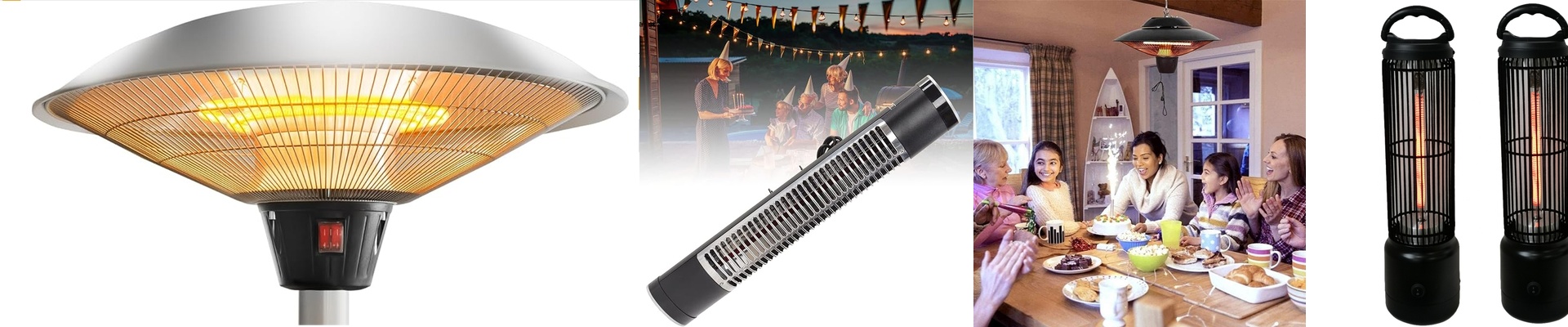
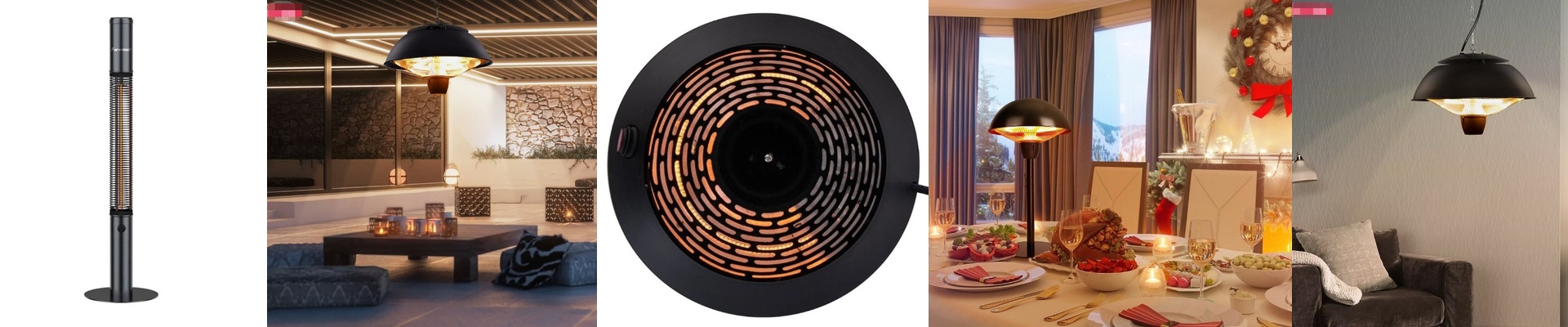
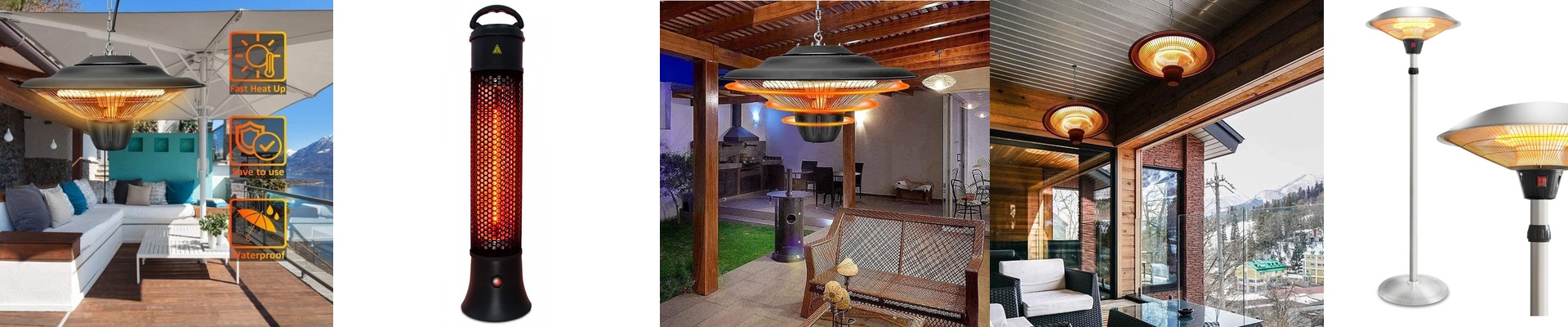

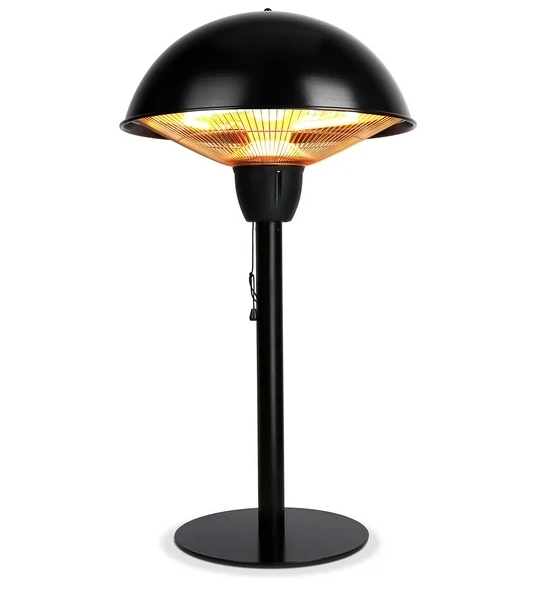
Outdoor evenings tend to cut out early, not because the conversation dies, but because the air just steals the heat. That’s why we built the carbon fiber outdoor heater the way we did—to deliver radiant warmth that feels right, not forced. When the temperature drops, you want heat that comes on fast, holds steady, and spreads evenly across the spot you’re using.
What’s really going on under the hood
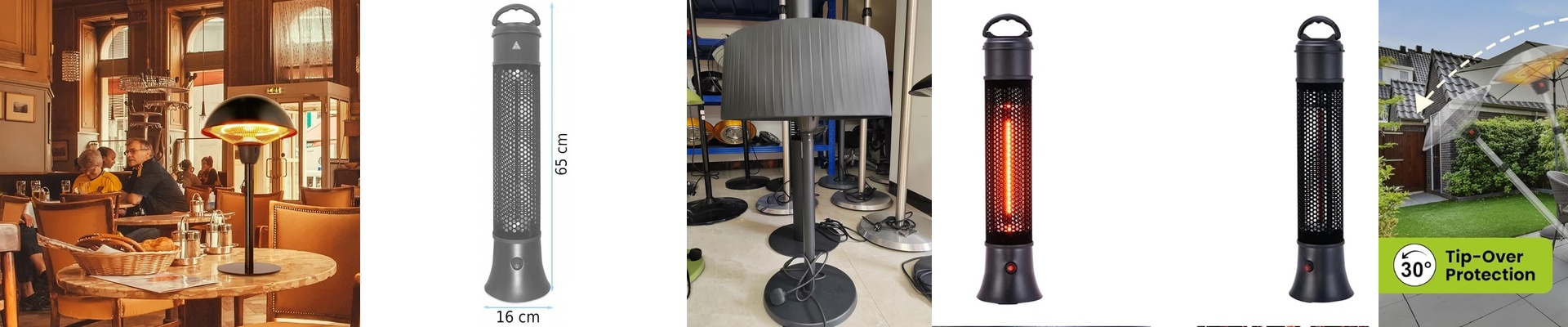
The heart of it is the carbon fiber heating element, built to produce infrared warmth with quick response and consistent output. Instead of trying to warm the air first, it sends radiant heat straight to people and surfaces—think sunlight, but kinder. You get immediate comfort without the noise and drafts you get from forced-air units. We pair that element with a tough housing and a thermostat that keeps the temperature where you set it, so you can dial in your comfort and not keep chasing it.
Why this approach makes sense outdoors
Outdoor living is about buying back time, not just nudging the temperature up. A carbon fiber outdoor heater warms the people in the seat, so you can finish dinner on the patio, host friends on the deck, or read in the yard without huddling together. The focused warmth helps cut down on cold spots, and because it heats objects and people directly, it can still feel comfortable even when the breeze picks up. And the energy use stays sensible, since you’re heating the area you’re actually using, not the whole yard.
The details that matter on install and use
This is an electric heater built for outdoor use, so it needs a grounded outlet and a dedicated circuit. For the best performance, position it so the infrared warmth hits the seating area directly, and keep it clear of combustible materials. The carbon fiber element is built for long life, but it still depends on stable voltage and proper installation—if you’re hardwiring, use a licensed electrician. Then you set the comfort level and let the evening take care of itself.