
Introduction
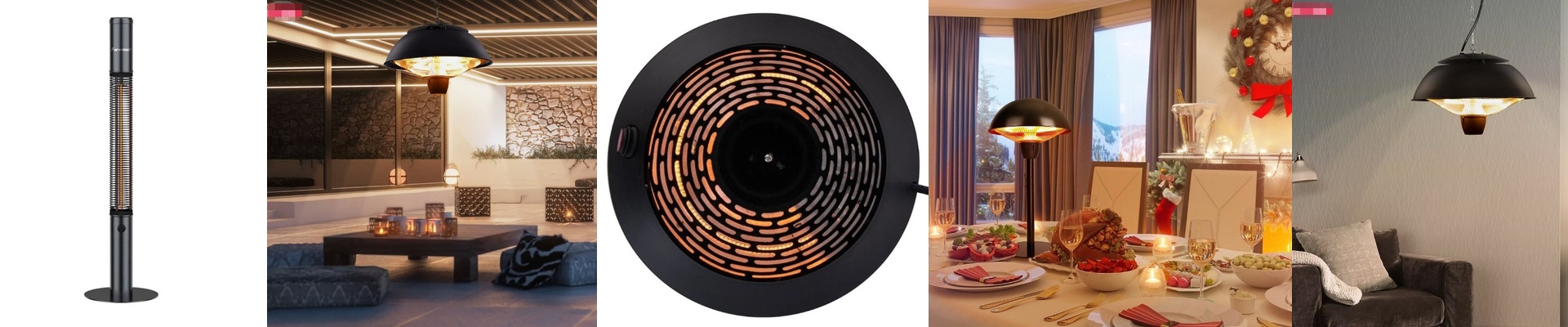
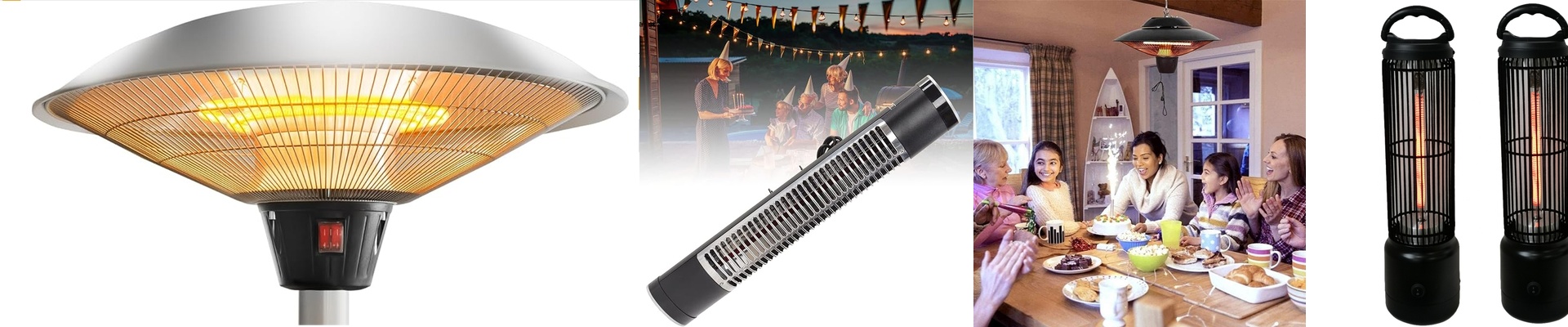
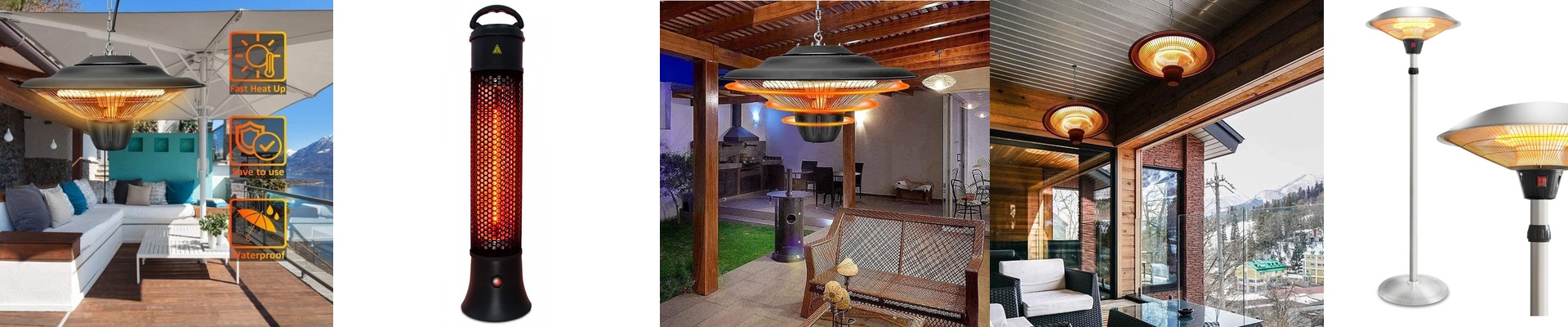
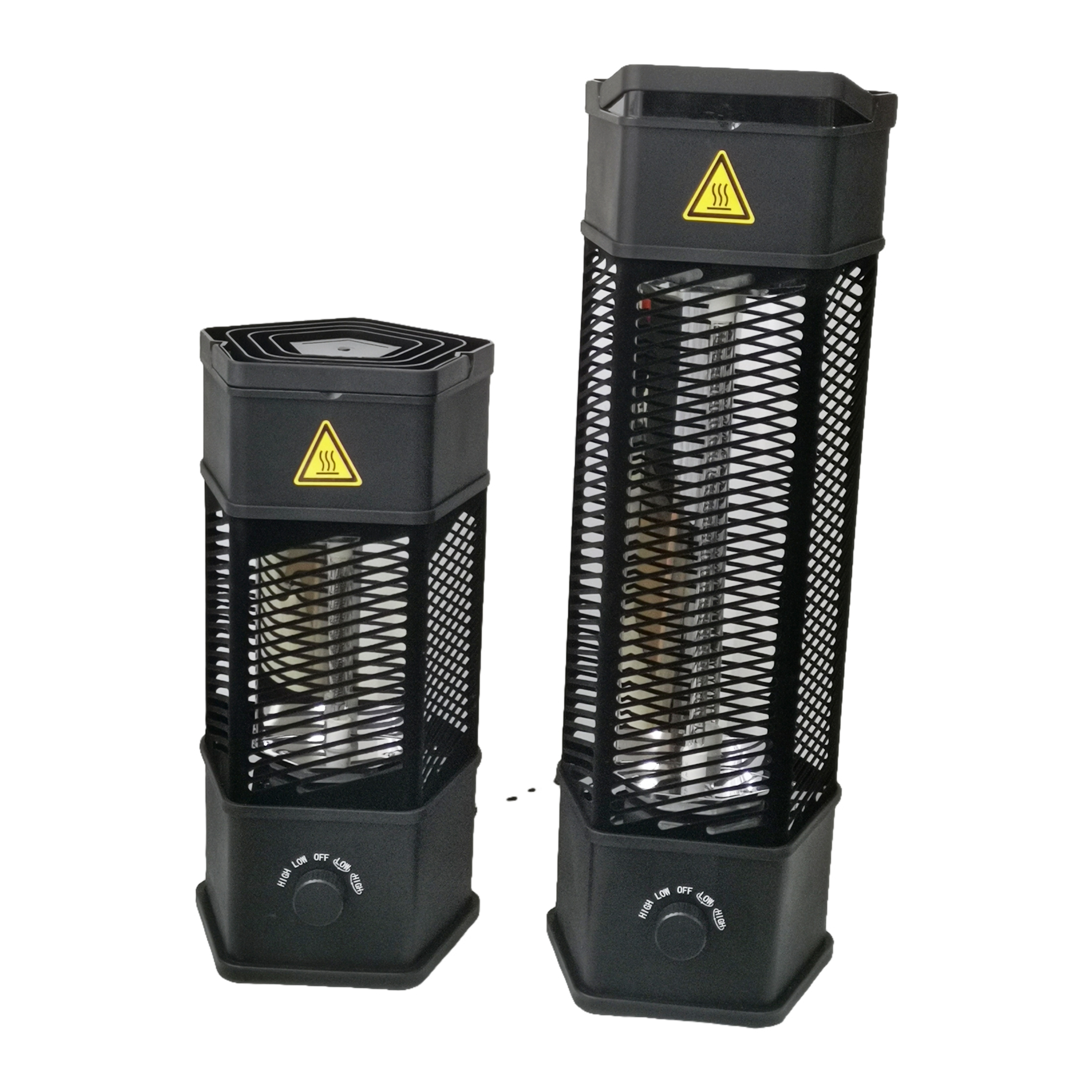
We built these industrial infrared heaters for one simple reason: to give you heat exactly where you need it, instantly. Whether you’re warming up an attic or a bathroom, it all comes down to matching the power to the space. It’s not just about making the room feel cozy. It’s about running things smart and keeping your energy costs down. Get the wattage right, and you’ve already won half the battle. No overkill. No wasted money.
The Nitty-Gritty: Power, Voltage, and Fit
Let’s talk wattage first. For a small bathroom, a 150W or 250W infrared lamp gives you that focused, spot-on warmth without overloading your circuit. But if you’re dealing with a big, open attic, you need more muscle. Think 500W or 750W to cover the space and fight back against the heat loss through the roof. Voltage matters too. We offer both 110V and 220V units. The upshot? You can wire the heater straight into what’s already there. No need to rip out walls or install expensive transformers. And the size of the lamp itself determines where it can go. A shorter tube fits into tight, low-clearance spots. A longer one spreads the heat over a broader area.
Built to Take the Heat
These heaters are wrapped in a halogen-filled quartz tube. It means they fire up in seconds, hitting full power almost instantly. That quartz envelope is tough. It handles the constant on-and-off cycling without cracking under the pressure. And the filament inside is built for the long haul, even if you’re switching the light on and off all day long. We use standard connectors, like R7s, for mounting. So installation is a breeze. You just wire it up, pop it in, and you’re good to go. No custom brackets. No complicated setup.
The Payoff: The Right Power for the Job
Here’s the real win: using the right wattage for the space. Stick a 250W lamp in a small bathroom, and you get fast, targeted heat without burning through electricity. Step up to a 750W for a large attic, and you’ve got the power to do the job right. It’s all about avoiding waste. No more running a massive heater just to warm a small corner. Of course, more wattage means more heat, but it also means more demand on your electrical system. You just need to make sure your wiring and any ventilation are up to the task. That’s how we build a system that just works. Hard. Dependable. And keeps your energy bills from running wild.