


Getting Your Heat Right in Bio-Sensor Fabrication
When you’re building bio-sensors, heat is everything. You need it to cure your substrates and get those chemical layers to actually stay put. But if you’re still relying on those old-school convection ovens, you’re probably dealing with more headaches than you need. That’s why we’ve moved toward infrared (IR) systems. Instead of heating up the air around the part, IR shoots energy straight into the material. It’s faster. Much faster. And because it’s so efficient, you can actually reclaim some of that floor space your old ovens were hogging.
Controlling the Heat (Without the Guesswork)
If you’re running a smart fab, you can’t just “set it and forget it.” You need to be able to tweak things on the fly. We use high-efficiency IR lamps hooked up to PLC systems. The best part? They’re instant. On, off, adjusted—it happens in a blink. This is a lifesaver if your substrates are finicky. If you’re worried about burning through your material, IR lets you pull back the heat immediately. Plus, you can sync the heat output perfectly with how fast your conveyor is moving. No more guessing if the middle of the batch got enough cook time.
The Hardware Side of Things
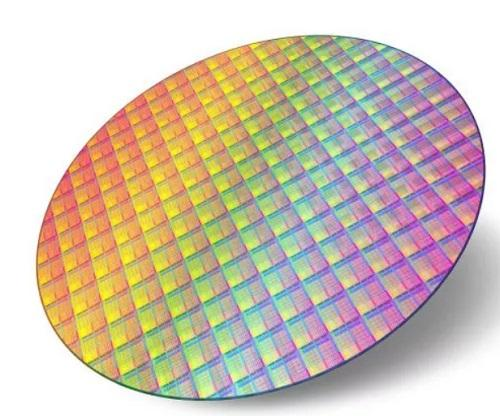
We tend to go with high power density lamps to keep the heating zone as short as possible. We use quartz envelopes and halogen filaments because they keep the light spectrum stable. One heads-up: your wiring has to be spot on. You’ll need precise voltage regulation. If your power dips or spikes, you’ll end up with uneven curing across your wafer, and that’s just wasted material. Now, these lamps are designed to be drop-in replacements for your old gear, which is great. But remember, this is intense heat. Don’t skimp on your cooling fans or shielding. If you don’t get enough airflow around the housing, you’re looking at warped frames or filaments that burn out way too soon.
Why Bother with IR?
Aside from the speed, there’s the “sweat factor.” Forced-air ovens dump a massive amount of waste heat into the room, which makes your cleanroom HVAC work overtime. IR is much cleaner in that regard. When you switch to a data-driven IR setup, every single batch gets the exact same thermal treatment. It just makes life easier. You see fewer scrapped parts and your quality control audits become a breeze because the data is already there.